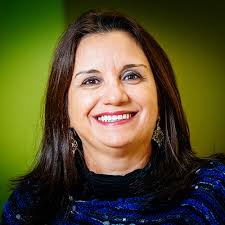
Plenary Speaker: Isabel Scarinci, Senior Advisor for Global Cancer at O'Neal Cancer Center
Isabel represents a powerful example of Service Above Self in action. At the University of Alabama at Birmingham, Isabel is helping advance a statewide effort to eliminate cervical cancer as a public health threat in Alabama through education, prevention, and access to care. UAB’s work focuses on raising awareness of HPV, increasing vaccination and screening, and ensuring timely follow-up care, particularly in underserved communities.
This initiative, known as OPERATION WIPE OUT, is the only comprehensive plan of its kind in the United States and brings together more than 40 partners, including the Alabama Department of Public Health, schools, community organizations, and Rotary Clubs. By engaging everyone from university students to high school youth as ambassadors for health education, this effort directly aligns with Rotary International’s commitment to disease prevention and treatment, maternal and child health, and strengthening communities.
In addition to community outreach, UAB’s Department of Obstetrics and Gynecology and its Division of Gynecologic Oncology serve as a nationally recognized center for advanced clinical care, research, and innovative therapies. This work reflects Rotary’s belief that lasting change happens when local action and global vision come together.
Please join us in welcoming a speaker whose leadership embodies Rotary’s mission to improve lives, promote health, and create sustainable, positive change. https://operationwipeout.org/about/
Isabel Scarinci - Empowering Communities to Prevent Cervical Cancer
Protecting and funding your Club's Mission can be simple and effective.
Looking for fundraisers that actually work—and don’t overwhelm your club? This interactive roundtable will focus on simple, effective fundraisers that raise money and keep members engaged. Come ready to exchange ideas, lessons learned, and practical takeaways you can use right away.
Workshop D3: Roundtable - Simple and Effective Fundraisers
Using principles from Priya Parker's book, "The Art of Gathering," this roundtable will draw out ways to create meaningful, memorable experiences that enhance the membership experience through our regular meetings. Come ready to rethink your meeting planning basics and brainstorm with others.
Workshop C4: Roundtable - Making Meetings Fun and Dynamic
This workshop will build on information presented in the plenary titled Protecting Youth Mental Health in Today’s Digital World. Participants will learn more about the 5 C’s of Media Use introduced in the plenary and will discuss how individuals and clubs can take actions to support healthy use of devices and social media by youth and families.
For Megan's bio, please see above where she is featured as one of our Plenary Speakers.
Workshop A3: Taking Action to Protect Youth Mental Health
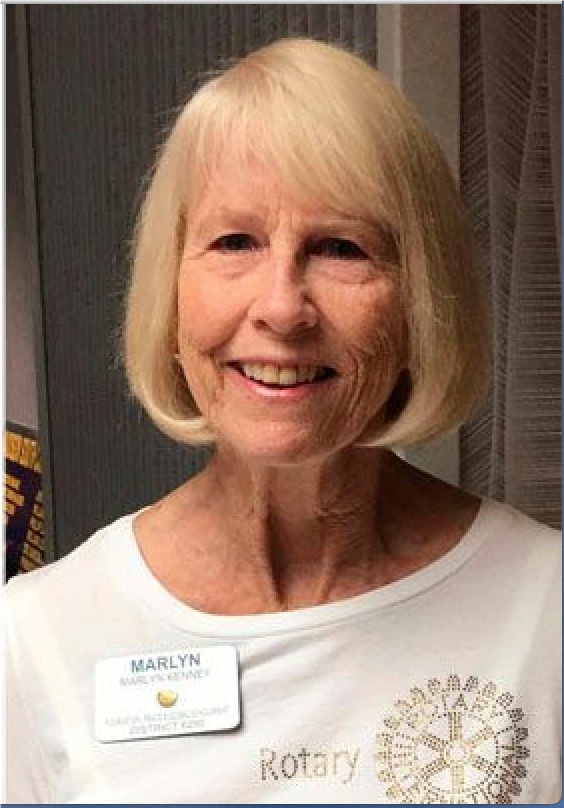
When: Saturday 4/18/2026, 11:00 AM – 12:00 PM Duration: 60 minutes Presenter: Lyn Kenney Room: Kalahari F
Few people know about the actual movement that started in 1911 by pioneering women to join Rotary or have separate women's Rotary clubs. Although rejected, they started clubs exactly like Rotary and one even exits today. This powerpoint presentation is a sneak preview into my book that covers both the early pioneers as well as the modern day pioneers.
Lyn grew up in a Navy family, attended high school in Japan and graduated from both the University of Florida and the University of Wisconsin-Madison for graduate school. Her career was in Health Care then Marketing. She retired as Marketing Manager for the Wisconsin Dept. of Natural Resources.
Lyn has been active in Rotary since 1988 when she first joined the Madison, Wisconsin Downtown Club. After moving from Madison, she has been a member of five different Rotary Clubs in 5 districts and is now a member of the Vero Beach Rotary Sunrise Club, Florida. She has served in multiple club and district roles, including Assistant Governor in SC. She developed and chaired the Global Grant and Peace Fellow Scholar program for district 6250 in Wisconsin. She is a major donor and a Bequest Society Member. Her Rotary passions include international projects and Rotary history. She is an historian with Rotary Global History Fellowship and on the board.
Workshop B3: Pioneering Women and Rotary, 1911 to today
When: Friday 4/17/2026 4:15 - 5:00 PM Duration: 45 minutes Facilitator: Sridhar Balakuntalam, Rotary Club of Appleton (6220) and Past District Governor Room: Cypress
This roundtable focuses on innovative, non-traditional approaches to recruiting new Rotary members. The goal is to surface fresh ideas, learn from experiments (both successes and failures), and identify recruitment practices that reflect today’s communities, schedules, and interests.
Workshop A4: Roundtable - Thinking Outside the Box on Member Recruitment
When: Saturday 4/18/2026, 3:30 PM – 4:30 PM Duration: 60 minutes Roundtable Facilitator: Jim Cotturone - Rotary Club of Mukwanago, (6270) Room: Cypress
This roundtable explores how well-designed service projects can deepen member engagement, strengthen club culture, and serve as a natural entry point for recruiting new members.
Workshop D4: Roundtable -Engaging members through Service Projects
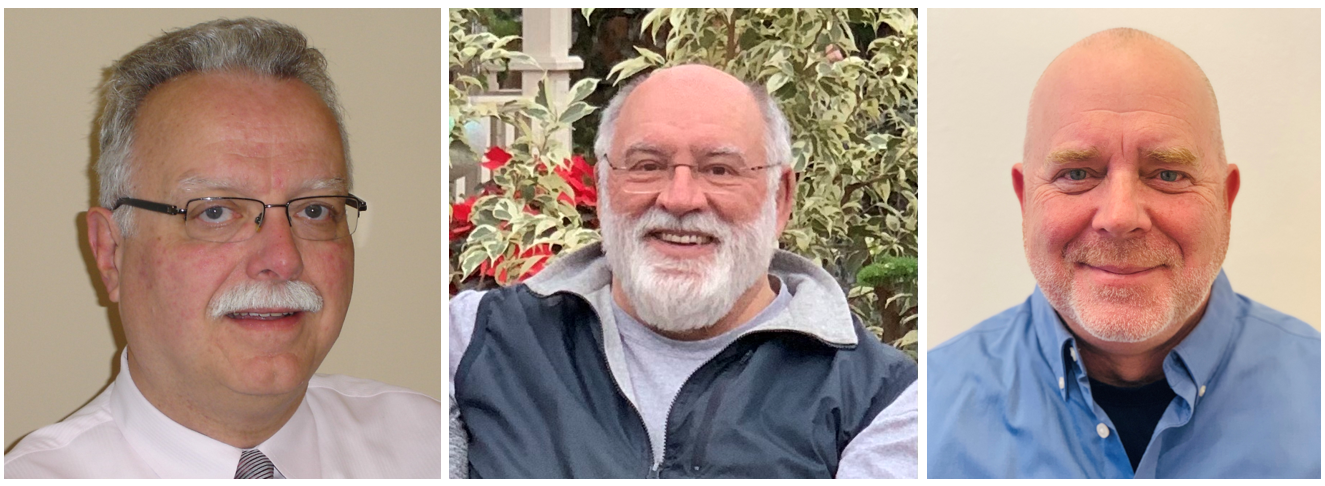
When: Saturday 4/18/2026, 3:30 PM – 4:30 PM Duration: 60 minutes Presenters: Harry Farchmin - Rotary Club of Elmbrook Brookfield (6270), Jerry Stepaniak - Rotary Club of Milwaukee (6270), and Mark Broses - Rotary Club of Chippawa Falls (6250) Room: Portia/Wisteria
Clean water changes everything. This Rotary workshop will showcase international water initiatives in Guatemala and Bolivia, sharing real-world successes, obstacles faced in implementation, and the lives impacted along the way. Participants will gain insight into what’s working, what remains challenging, and how Rotary can “Unite for Good” and help shape the next chapter of these vital projects.
Harry Farchmin, PE, LEED AP, is a registered Professional Engineer in Wisconsin. He has held senior leadership and ownership positions in regional and international consulting engineering firms retiring from full-time practice. He is currently an independent consulting engineer and volunteers for several state and community organizations. He is District Governor Nominee of District 6270, a Past-President (2022-23) of the Rotary Club of Elmbrook, Chair of the District 6270 Fellowship Committee, Chair of the City of Brookfield Sister Cities Committee, and is on the Executive Board of the Potawatomi Area Council Boy Scouts of America. Harry and his wife Anne celebrate their 47th Anniversary this year and have a daughter living in Alexandria, VA.
Jerry Stepaniak chairs the Rotary Club of Milwaukee’s World Community Services Committee (WCS). He has coordinated multiple Global Grants with a focus on community water systems in Guatemala. These ventures are consistently successful due to strong collaborations with Vista Hermosa (GT) Rotary Club, the Ingenieros sin Fronteras-GT non-profit organization, and designs by Engineers without Borders students from Marquette University, Milwaukee School of Engineering, and volunteer engineers. WCS also has built multiple schools, kitchens, pedestrian and vehicular bridges in Guatemala. Other international efforts over the past seven years include medical supplies and generators for Ukraine, cleft palate surgery trips, other efforts for water and medical facilities in Africa and India, and recovery from volcanic eruptions and COVID. Jerry is theoretically retired from a wide-ranging career in state and local government and consulting with non-profit agencies. He has degrees from St. Norbert College and the University of Illinois and was an elected official for the City of Wauwatosa.
Mark Broses has 35+ years of experience as a Civil and Environmental Engineer. He joined the Chippewa Falls Rotary Club in 2006 and first visited Bolivia in 2007. The club has worked with the Rotary Club Tunari – Cochabamba Bolivia since 1990. The initial projects focused on Dental Clinics. Since 2006 our projects have primarily involved water and sanitation infrastructure. Mark has led 7 WASH projects in Bolivia including two Global Grants. The first Global Grant provided clean water supply, distribution and taps to 5,000 people and the second project provided a wastewater treatment plant serving 15,000 people. Mark is currently working on a third Global Grant to improve WASH facilities for a school.
Workshop D1: International Water Initiatives in Guatemala and Bolivia
Conveniently located just off Highway 94 and just steps from the Brookfield Conference Center, the newly renovated Sheraton Milwaukee Brookfield will also host the TriCon 2025 Friday Hospitality Night. With competitive room rates and exceptional amenities, it’s sure to impress.
Reservations must be received on or before April 3, 2025, to receive the TriCon25 Group Rate.
This hotel is attached to the Brookfield Conference Center
The Hilton Garden Inn is directly connected to the Brookfield Conference Center and is situated in the Brookfield Square district making it a short drive from numerous dining and shopping options.
Finding Your Third Place: Building Happier Communities (and Making Great Friends Along the Way)
Richard grew up in a small town in northern Minnesota, has lived and worked all over the United States, and now resides in La Crosse, Wisconsin where serves as Endowed Professor of Ethics at Viterbo University and Director of the D.B. Reinhart Institute for Ethics in Leadership. He teaches a senior seminar in ethics and graduate courses in servant leadership. He holds a doctorate in philosophy from The Johns Hopkins University.
He is the author of several books, cohosts a podcast titled “The Ethical Life” and writes a biweekly column that appears in 75 newspapers across the country. He also serves on several nonprofit boards, including the La Crosse Community Foundation, the Coulee Region Chapter of Trout Unlimited, and LeaderEthics. He is a longtime member of the First Presbyterian Church and the Rotary Club of La Crosse.
His latest book, Finding Your Third Place: Building Happier Communities (and Making Great Friends Along the Way), is published by Fulcrum Books.
Plenary Speaker: Richard Kyte
Cindy Petted
2024-10-30 05:00:00Z
0
Learn. Connect. Be Inspired.,RID 6220,RID 6250,RID 6270,TriCon25
As the Director of Rotary International’s Polio Eradication program, Carol directs all aspects of Rotary’s polio eradication program including administration, advocacy, financial oversight, grants management, volunteer engagement, communications, and fundraising support.
She is the liaison to Rotary’s International PolioPlus Committee, the volunteer committee that provides policy guidance to the PolioPlus program. She works closely with the partners in the Global Polio Eradication Initiative (GPEI) including WHO, UNICEF, US Centers for Disease Control and Prevention, the Bill & Melinda Gates Foundation, and Gavi, the Vaccine Alliance. Carol serves on multiple cross-agency committees and management groups that provide strategic and operational guidance to the global effort.
Carol’s work has taken her all over the world where she has monitored polio immunization campaigns and participated in high-level technical and stakeholder meetings.
Carol is a member of the Evanston Lighthouse Rotary Club.
CAROL A. PANDAK, ED.D., Chicago, Illinois, USA
Director, PolioPlus, Rotary International
Plenary Speaker: Carol Pandak
Cindy Petted
2024-10-30 05:00:00Z
0
Learn. Connect. Be Inspired.,RID 6220,RID 6250,RID 6270,TriCon25
Building Global Impact: Collaboration in International Rotary Projects
Julio has been a dedicated Rotarian with the Rotary Club of Guatemala Vista Hermosa since 2006, serving in various leadership roles. He was District Governor of Rotary International District 4250 in 2017-18 and has been deeply involved in humanitarian initiatives, including the Ripple Effect and Bridges to Prosperity projects.
As the ShelterBox coordinator in Guatemala and an advisor to the Guatemala Literacy Program (GLP), Julio has played a key role in advancing education and disaster relief efforts. His commitment to Rotary’s mission is further demonstrated by his participation in more than 40 Global Grants and his tenure on The Rotary Foundation’s WASH in Schools committee (2016-2020).
Beyond Rotary, Julio is an appointed Ambassador of Peace by the Government of Guatemala. A Civil Engineer by profession, he is also the co-founder of Engineers Without Borders in Guatemala, working to create sustainable infrastructure solutions for communities in need.
Julio worked for the family catering business for 37 years and is retired now.
He defines himself as a Rotarian, pilgrim, and mountaineer.
Plenary Speaker: Julio Grazioso
Cindy Petted
2024-10-30 05:00:00Z
0
Learn. Connect. Be Inspired.,RID 6220,RID 6250,RID 6270,TriCon25
Ed is the past General Secretary and Chief Operating Officer of Rotary International and The Rotary Foundation. He managed operations for our world’s largest global humanitarian service organizations with 40,000 clubs in 200 countries and geographic regions. With annual revenues of US$ 240 million and expenses of US$210 million, Rotary and its Foundation support 1.2 volunteers in their efforts to serve their local and global communities.
Rotary members are professional and community leaders who provide humanitarian service, encourage high ethical standards, and help build goodwill and peace in the world. Rotary clubs initiate service projects to address today’s challenges, including illiteracy, disease, hunger, poverty, lack of clean water, and environmental concerns. Rotary’s top priority is the global eradication of polio - a crippling and potentially fatal disease that still threatens children in parts of Africa and Asia. Since 1988, when Rotary and its partners at the World Health Organization, UNICEF, and the U.S. Centers for Disease Control and Prevention launched the Global Polio Eradication Initiative, the incidence of paralytic polio infection has plunged worldwide from 350,000 cases to fewer than 2,000 in 2008. Rotary club members worldwide have contributed more than $800 million and countless volunteer hours to the effort, and Rotary is now working to
In early 1919, Rotarian Roger Pinneo of Seattle, Washington, USA, traveled to the Philippines to try to organize a Rotary club in Manila. Leon J. Lambert, a Manila business leader helped Pinneo establish the club. Several months later, on 1 June 1919, the Rotary Club of Manila was chartered and became the first Rotary club in Asia.
The club would be the only one in the country for more than 12 years. Eventually, Manila club members organized Rotary clubs in the Philippine cities of Cebu (1932) and Iloilo (1933). Iloilo club members then started a club in Bacolod (1937), and Rotary continued to expand across the country.
Every hero has an origin story. “I was 10 years old when the entire journey started,” explains Binish Desai. It began with a cartoon called Captain Planet, an animated TV series from the 1990s about an environmentalist with superpowers. Desai can still recite the show’s refrain: Captain Planet, he’s our hero / Gonna take pollution down to zero! “That tagline stuck in my mind,” he says. “I wanted to do something to help Captain Planet.”
Women are active participants in Rotary, serving their communities in increasing numbers and serving in leadership positions in Rotary. The 1989 Council on Legislation vote to admit women into Rotary clubs worldwide remains a watershed moment in the history of Rotary.
“My fellow delegates, I would like to remind you that the world of 1989 is very different to the world of 1905. I sincerely believe that Rotary has to adapt itself to a changing world,” said Frank J. Devlyn, who would go on to become RI president in 2000-01.
The vote followed the decades-long efforts of men and women from all over the Rotary world to allow the admission of women into Rotary clubs, and several close votes at previous Council meetings.
Rotary and the United Nations have a shared history of working toward peace and addressing humanitarian issues around the world.
During World War II, Rotary informed and educated members about the formation of the United Nations and the importance of planning for peace. Materials such as the booklet “From Here On!” and articles in The Rotarian helped members understand the UN before it was formally established and follow its work after its charter.
Many countries were fighting the war when the term “United Nations” was first used officially in the 1942 “Declaration by United Nations.” The 26 nations that signed it pledged to uphold the ideals expressed by the United States and the United Kingdom the previous year of the common principles “on which they based their hopes for a better future for the world.”
An estimated 500 million people worldwide became infected. Many cities closed theaters and cinemas, and placed restrictions on public gatherings. Rotary clubs adjusted their activities while also helping the sick.
This is how Rotary responded to the influenza pandemic that began in 1918 and came in three waves, lasting more than a year.
The Rotary Club of Berkeley, California, USA, meets in John Hinkel Park during the 1918 flu pandemic.
Photo by Edwin J. McCullagh, 1931-32 club president. Courtesy of the Rotary Club of Berkeley.

 Isabel represents a powerful example of Service Above Self in action. At the University of Alabama at Birmingham, Isabel is helping advance a statewide effort to eliminate cervical cancer as a public health threat in Alabama through education, prevention, and access to care. UAB’s work focuses on raising awareness of HPV, increasing vaccination and screening, and ensuring timely follow-up care, particularly in underserved communities.
 Protecting and funding your Club's Mission can be simple and effective.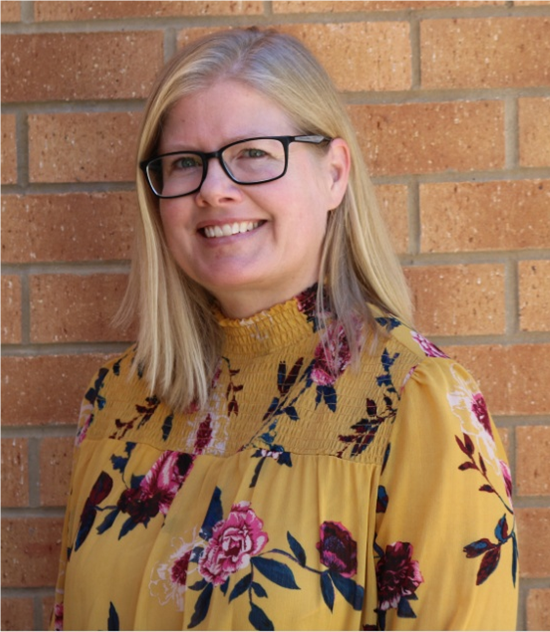
 Clean water changes everything. This Rotary workshop will showcase international water initiatives in Guatemala and Bolivia, sharing real-world successes, obstacles faced in implementation, and the lives impacted along the way. Participants will gain insight into what’s working, what remains challenging, and how Rotary can “Unite for Good” and help shape the next chapter of these vital projects.

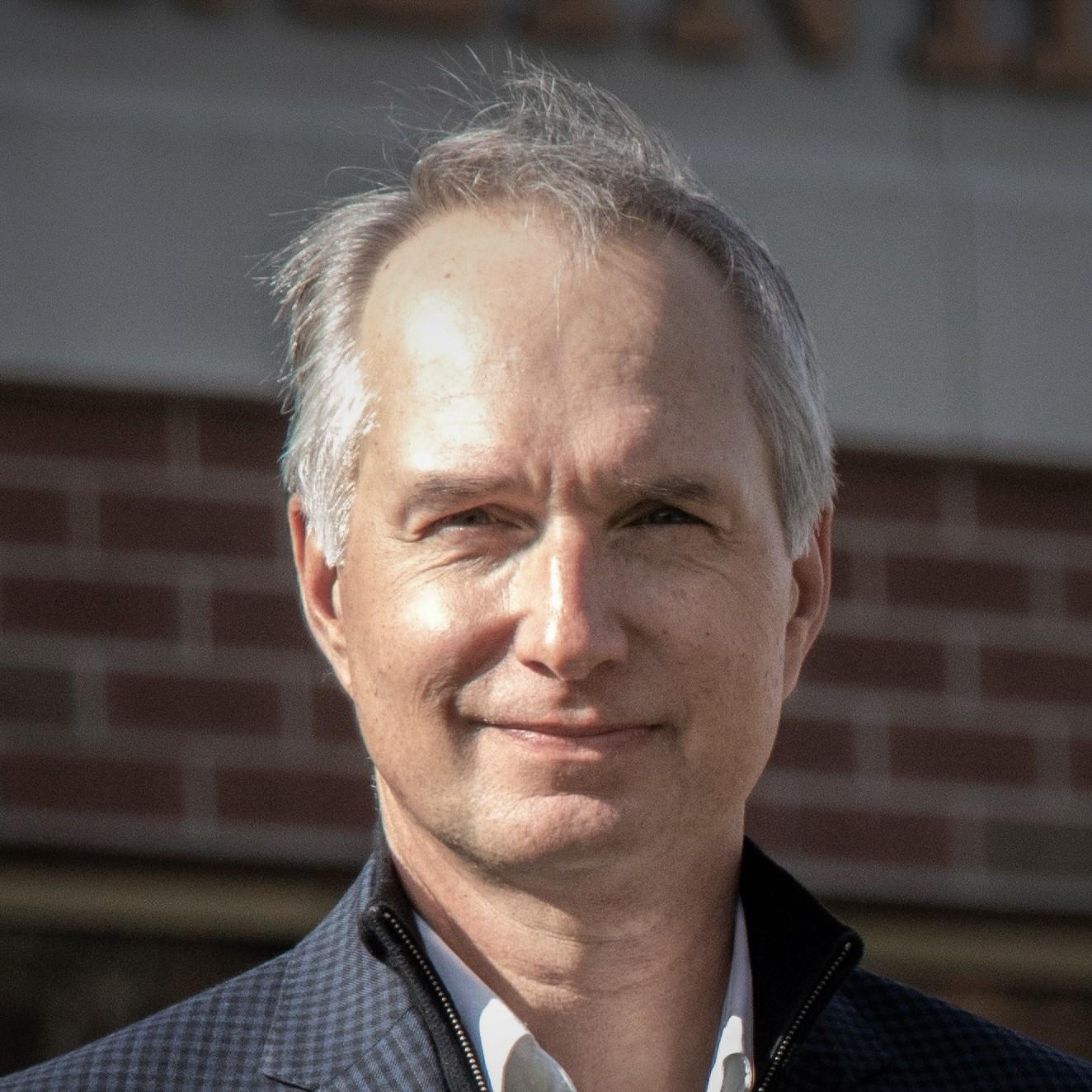 Plenary Speaker: Richard Kyte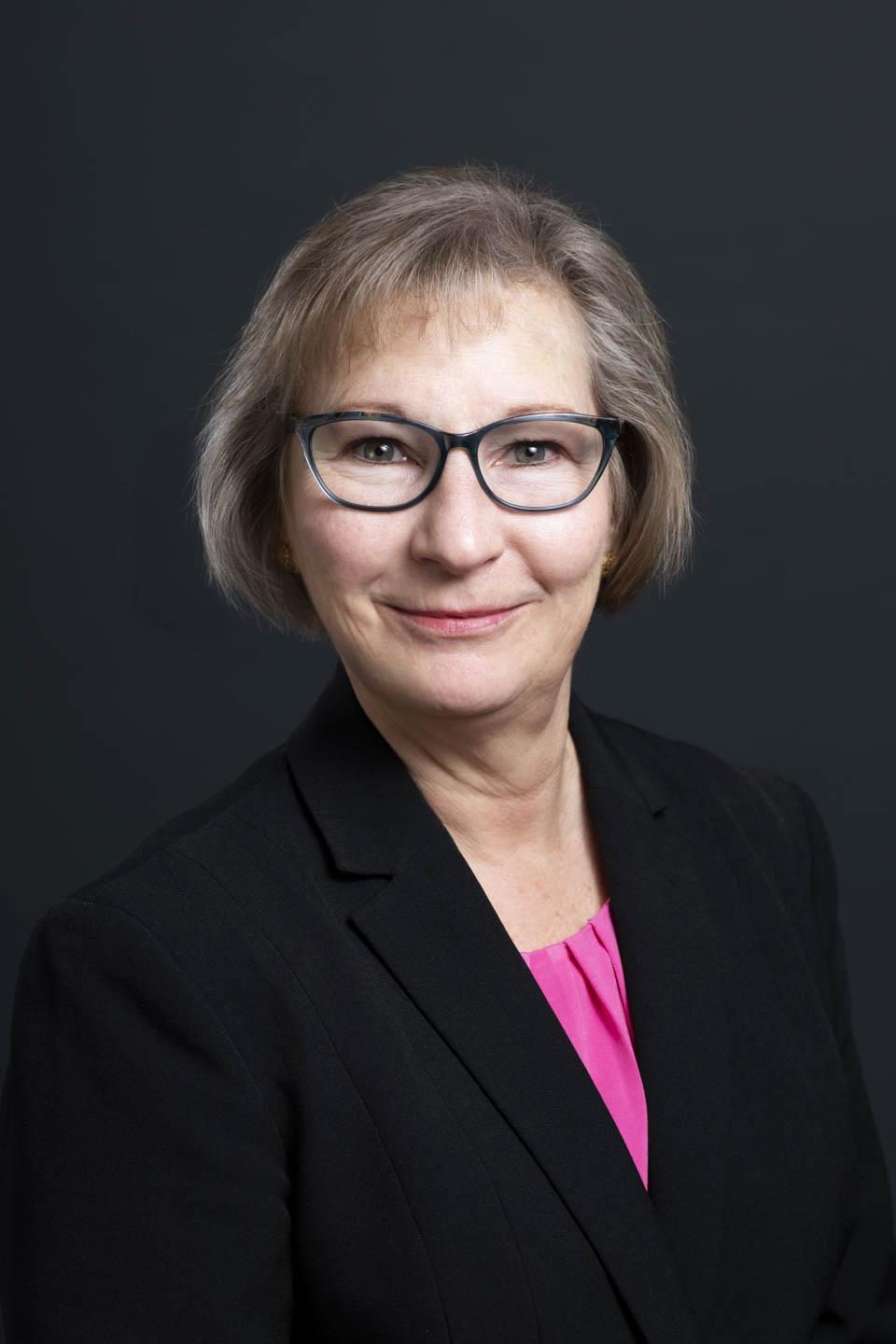
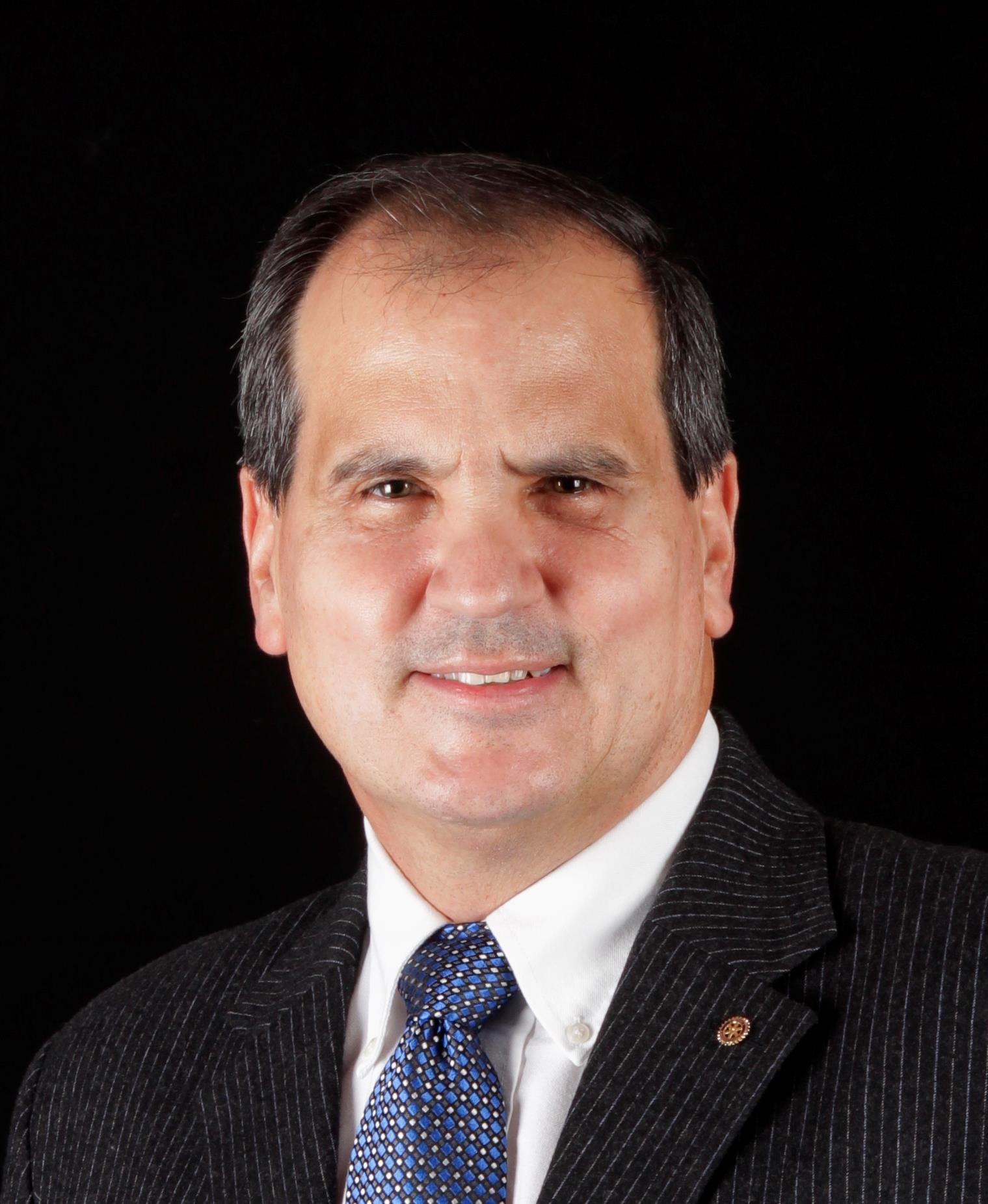 Plenary Speaker: Julio Grazioso
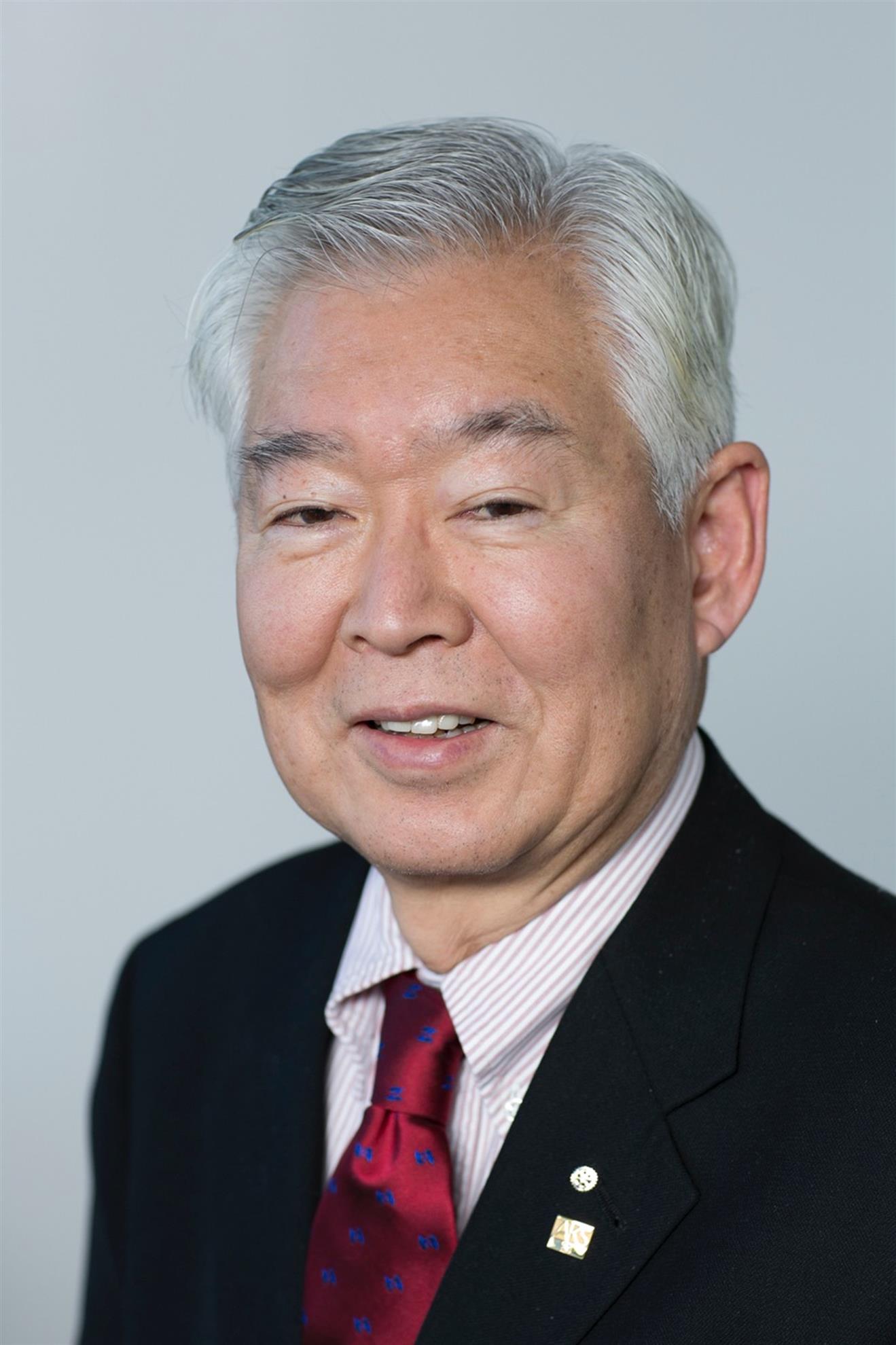 Plenary Speaker: Ed Futa
 partners at the World Health Organization, UNICEF, and the U.S. Centers for Disease Control and Prevention launched the Global Polio Eradication Initiative, the incidence of paralytic polio infection has plunged worldwide from 350,000 cases to fewer than 2,000 in 2008. Rotary club members worldwide have contributed more than $800 million and countless volunteer hours to the effort, and Rotary is now working to
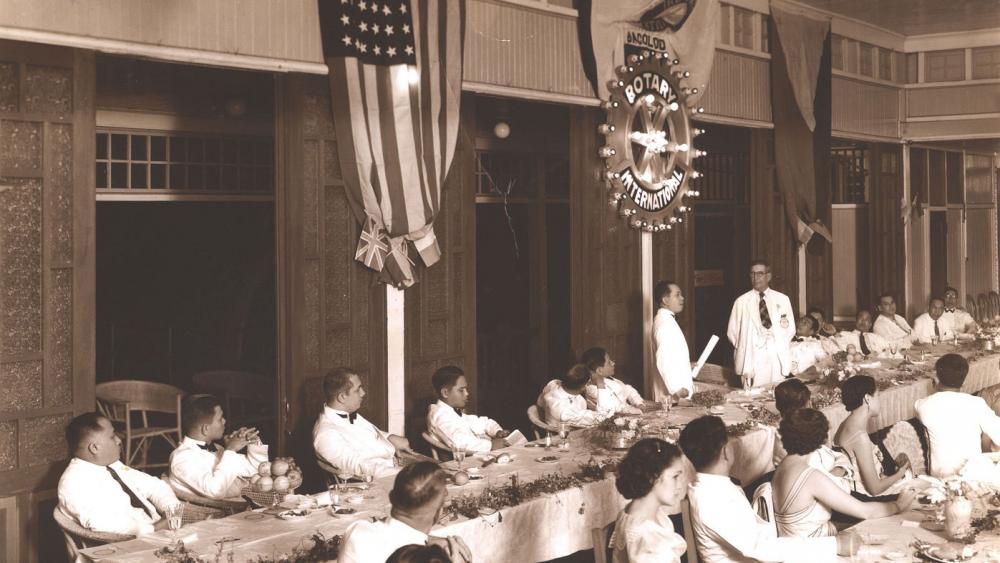 In early 1919, Rotarian Roger Pinneo of Seattle, Washington, USA, traveled to the Philippines to try to organize a Rotary club in Manila. Leon J. Lambert, a Manila business leader helped Pinneo establish the club. Several months later, on 1 June 1919, the Rotary Club of Manila was chartered and became the first Rotary club in Asia.
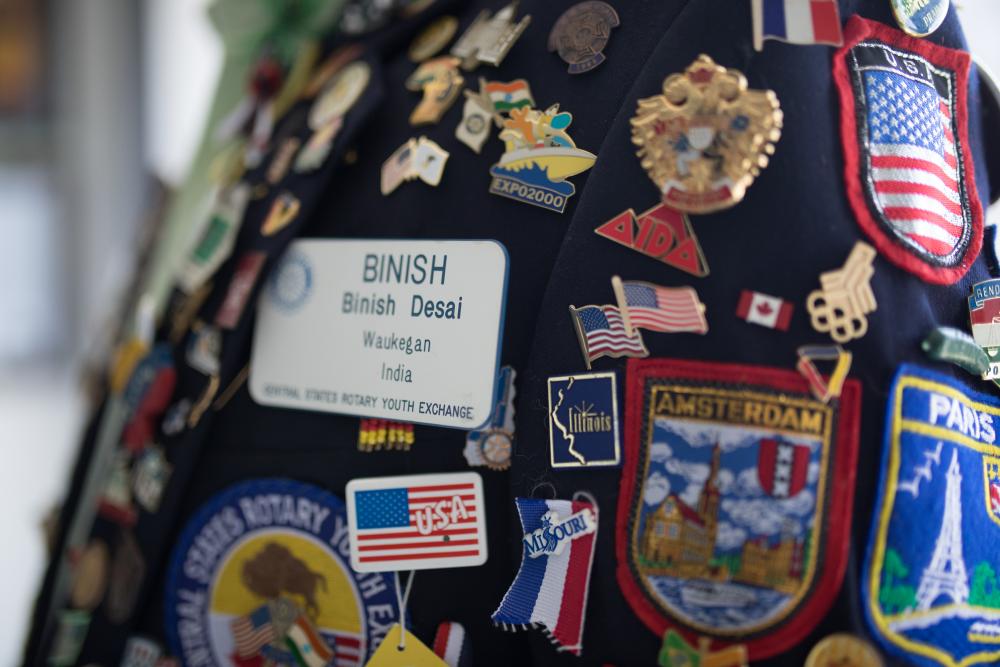 Every hero has an origin story. “I was 10 years old when the entire journey started,” explains Binish Desai. It began with a cartoon called Captain Planet, an animated TV series from the 1990s about an environmentalist with superpowers. Desai can still recite the show’s refrain: Captain Planet, he’s our hero / Gonna take pollution down to zero! “That tagline stuck in my mind,” he says. “I wanted to do something to help Captain Planet.”
 Rotary and the United Nations have a shared history of working toward peace and addressing humanitarian issues around the world.
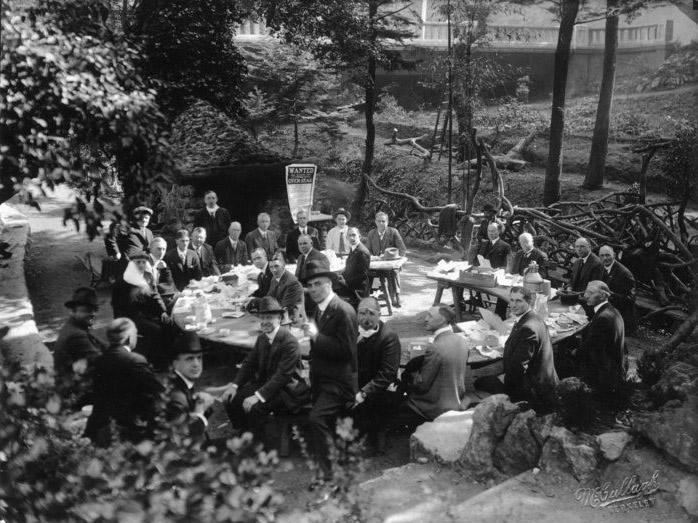 An estimated 500 million people worldwide became infected. Many cities closed theaters and cinemas, and placed restrictions on public gatherings. Rotary clubs adjusted their activities while also helping the sick.